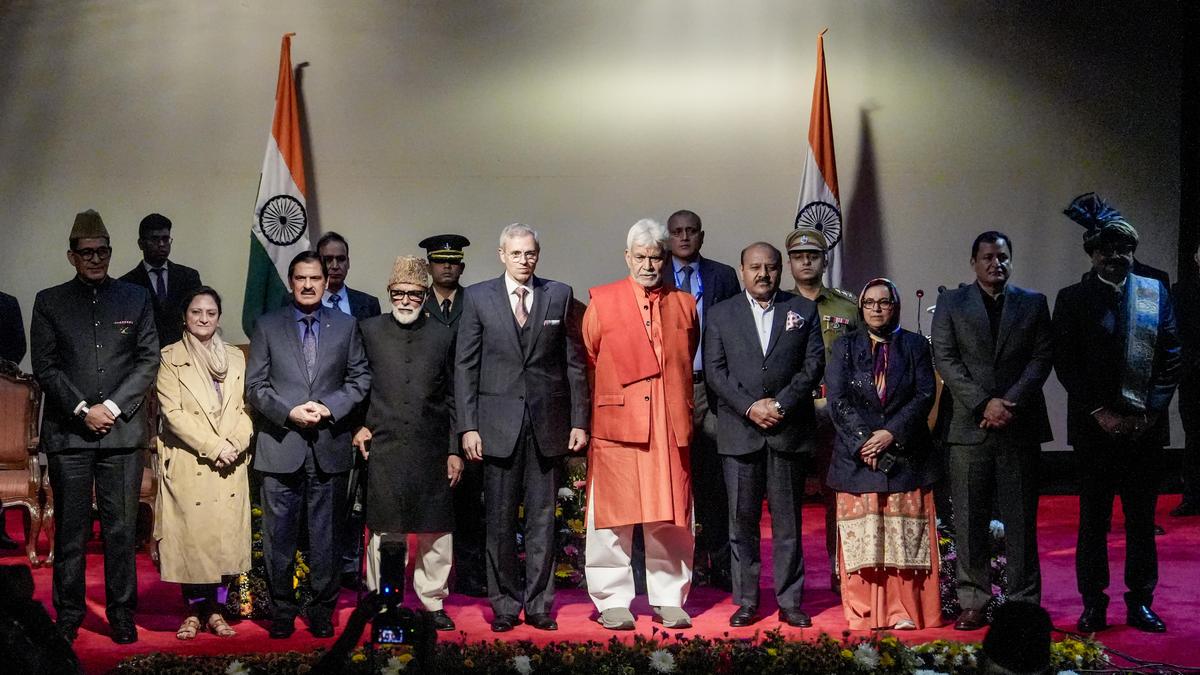
NEW DELHI — CM Omar Abdullah, who has governed J&K as a Union Territory for over two years, faces a dissent-like situation within his party over claims that legislators are being sidelined in the functioning of the government. The development, reported on November 4, 2026, has drawn close scrutiny from domain specialists and policy observers examining its wider operational and institutional impact.
Parallel dispatches and related briefings have highlighted connected facets of the unfolding story, including updates on Jammu and Kashmir: History’s lessons and perils of political management.
Senior officials familiar with the matter noted that coordination between central ministries and state administrations remains a priority as implementation timelines move forward. Administrative directives issued in recent weeks have emphasized procedural transparency, statutory compliance, and measurable service delivery benchmarks across districts.
Policy analysts tracking federal governance point out that institutional follow-through and budgetary allocation will determine the pace of execution on the ground. Further departmental notifications and stakeholder consultations are expected over the coming weeks as state nodal agencies review operational requirements.
- Cancer registry in Telangana has logged 35,000 cases, government advisor informs Minister
- In Karnataka seat where ‘vote chori’ claims first surfaced, over 800 voter IDs linked to 397 names after SIR
- Delhi-NCR Air Quality Index and GRAP Stage 4 Protocols: Anti-Pollution Mandates, School Closures, and Vehicle Restrictions