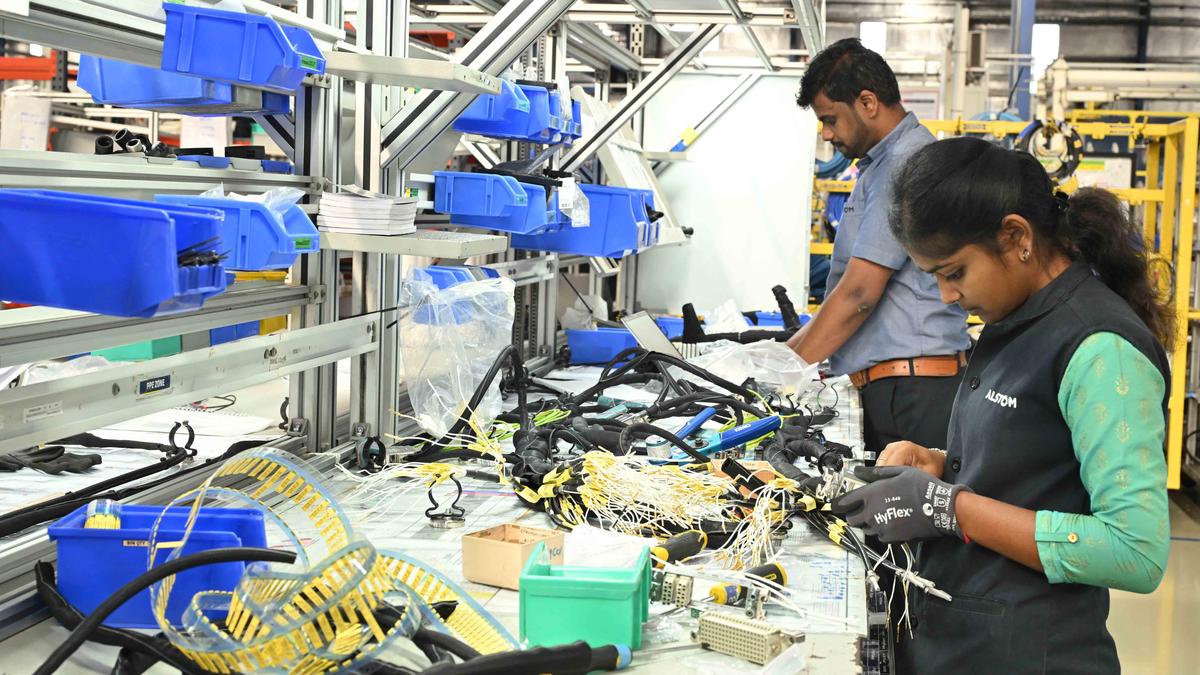
MUMBAI / NEW DELHI — India risks a middle-income, low-productivity trap as weak job creation, stagnant wages and sluggish investment reinforce one another; escaping it requires better vocational education, wider diffusion of technology and useful knowledge, and greater social value for skilled work. The development, reported on October 28, 2026, has drawn close scrutiny from domain specialists and policy observers examining its wider operational and institutional impact.
Market participants and institutional economists noted that the trajectory of domestic demand, input cost stability, and regulatory clarity will remain central to corporate balance sheets and capital expenditure decisions in the current fiscal quarter.
Industry chambers and financial sector analysts expect central banking authorities and sectoral regulators to maintain a calibrated stance focused on macroeconomic stability, credit growth, and supply-chain resilience.