GUWAHATI / SILIGURI — Disaster management authorities across northern West Bengal and western Assam were placed on high alert on Friday following emergency cross-border hydrological telemetry confirming a Glacial Lake Outburst Flood (GLOF) in the upper mountainous catchments of the Sankosh river basin in neighbouring Bhutan.
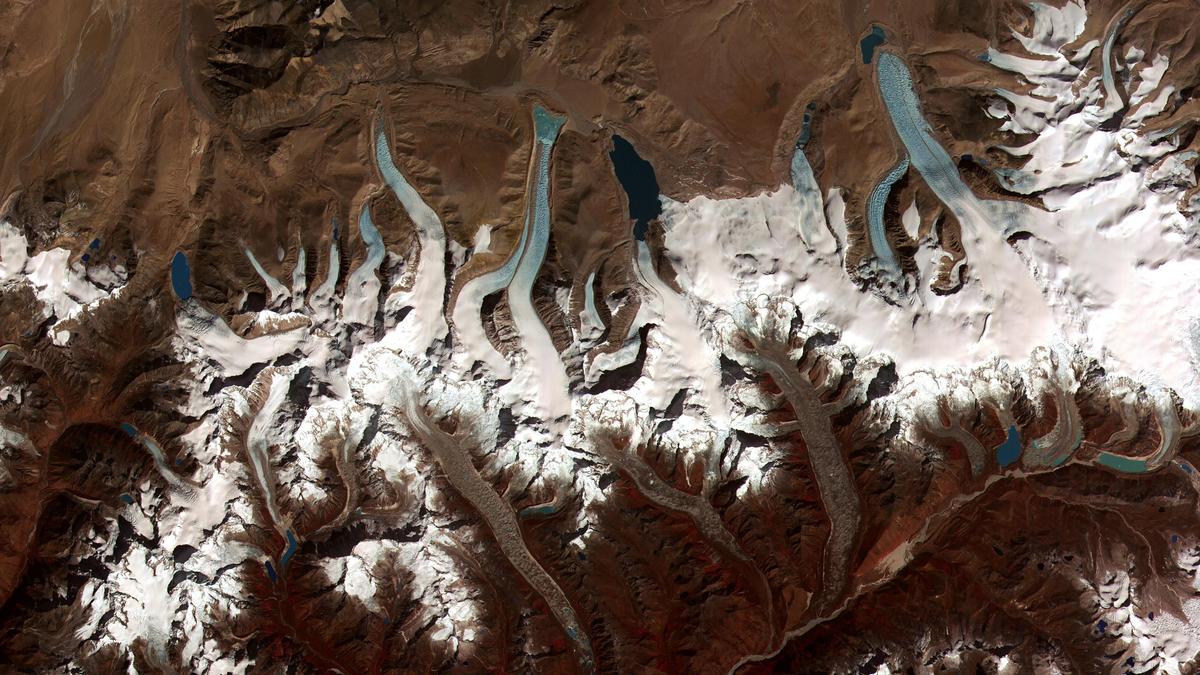
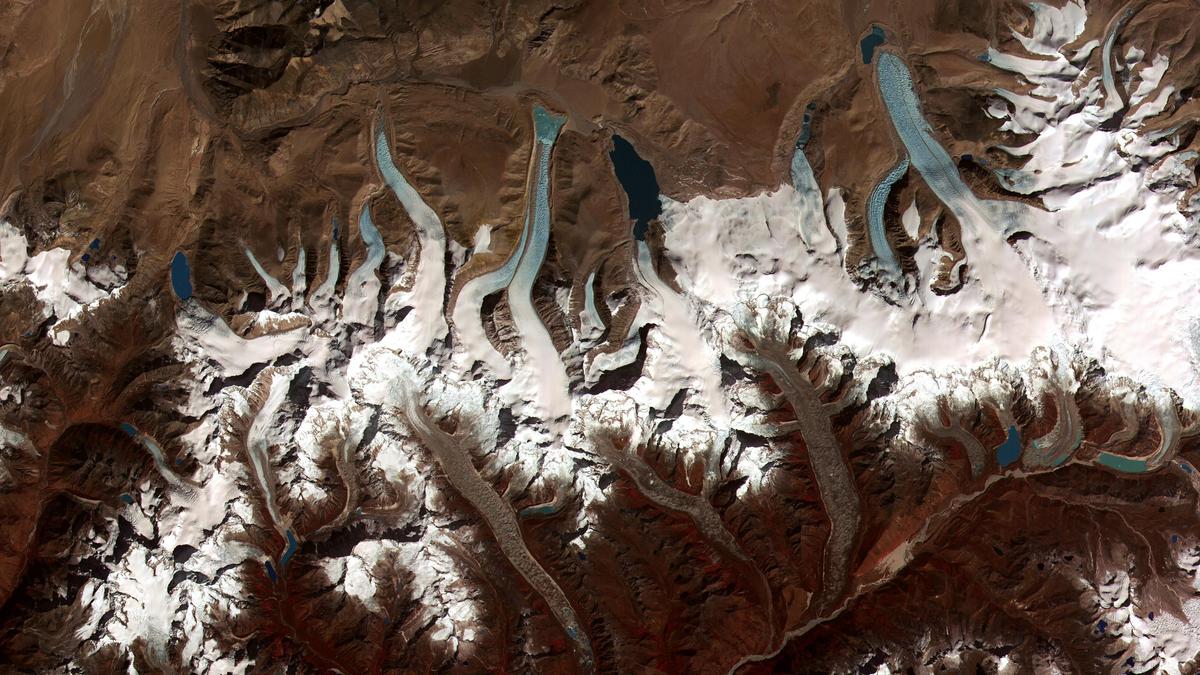
Continuous satellite monitoring verified that elevated autumn temperatures combined with localized precipitation triggered a structural breach along the moraine dam of a proglacial lake situated in the higher Himalayan ranges. Water volumes coursing into downstream tributaries caused sharp, unseasonal surges along the Sankosh and Torsa river systems, which debouch into the plains of Alipurduar and Jalpaiguri districts before traversing into western Assam’s Kokrajhar and Dhubri districts.
The Central Water Commission (CWC) established round-the-clock coordination with Bhutan’s National Centre for Hydrology and Meteorology, issuing early warning bulletins to state relief commissioners. District administrations in vulnerable floodplain blocks mobilized emergency disaster response teams, advising riverine villagers and tea estate communities to avoid low-lying banks and suspend sand-mining operations.
Himalayan glaciologists have repeatedly cautioned that accelerated cryogenic warming across the Eastern Himalayas has expanded glacial lake volumes significantly over the last two decades, rendering fragile natural moraine dams increasingly susceptible to hydrostatic failure. The inter-state emergency mechanism deployed on Friday marks a crucial test of the newly integrated cross-border early warning sensory grid established under regional disaster mitigation pacts.