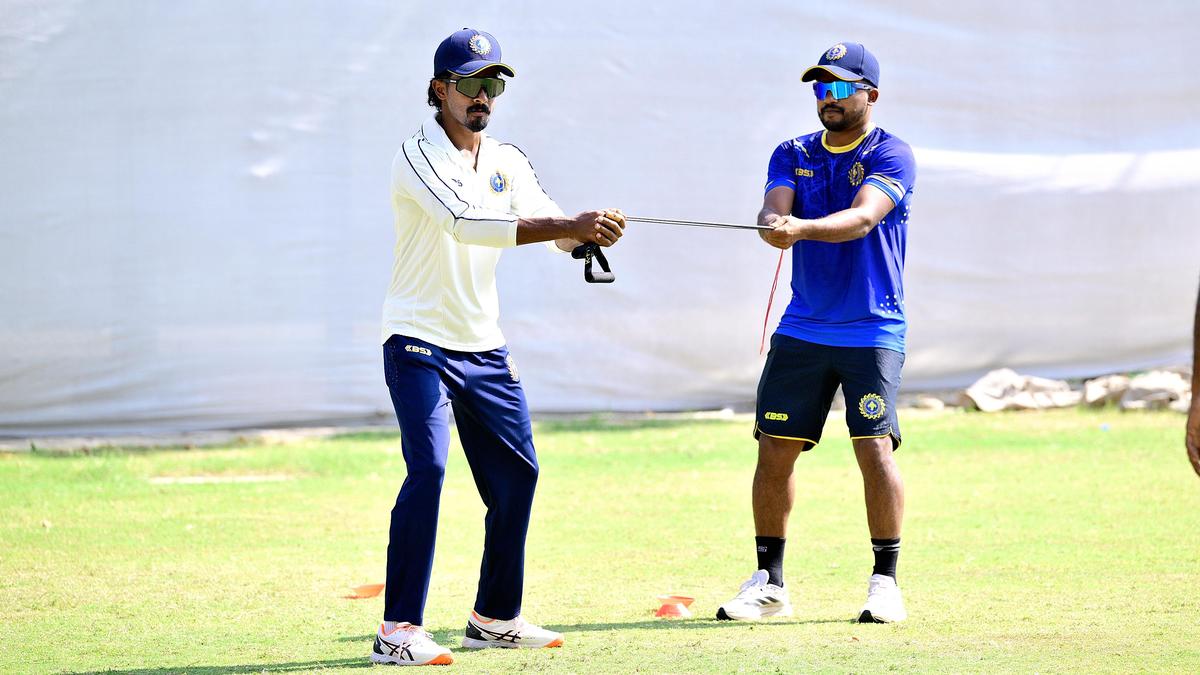
MUMBAI — The Board of Control for Cricket in India (BCCI) senior national selection committee has confirmed an 18-member squad for the highly anticipated five-match Border-Gavaskar Trophy series in Australia. Designed to withstand the rigorous physical demands of consecutive five-day fixtures, the contingent balances premier frontline pace assets with seasoned technical fortitude across the batting order.
With the opening Test scheduled at Perth’s Optus Stadium, team strategists and the National Cricket Academy (NCA) sports science division have placed paramount emphasis on bowling workload calibration. Fast bowlers have completed customized conditioning blocks to optimize physical stamina against the Kookaburra turf ball.
Pace Artillery and Curatorial Conditions at Perth
Curatorial assessments from Perth indicate that the drop-in pitch at Optus Stadium will retain approximately 10mm of live grass cover on Day 1. The surface is engineered to replicate the historical steep bounce and sharp lateral seam movement historically associated with Western Australia, demanding exceptional discipline from opening batters during the initial 30 overs.
India’s seam contingent comprises five specialist pacers supported by three travelling reserves. The bowling strategy focuses on hitting a consistent good-length corridor between six and eight meters, inducing defensive edges rather than searching for full swing that Australian batters frequently drive on true surfaces.
For continuing sports coverage and match analysis, track our Sports News Desk and real-time Today’s News Hub.
Top-Order Adjustments for the Kookaburra Ball
Unlike the prominent seam and lasting swing of the SG ball used on Indian pitches, the Kookaburra ball swings sharply for only 15 to 20 overs before flattening out, making horizontal bat shots and sound judgment outside off-stump vital. The batting group has conducted intensive simulation camps in center-wicket practice sessions, facing high-arm trajectory deliveries and short-pitched bowling machines.
World Test Championship Final Scenario
The bilateral series serves as the definitive determinant for the ICC World Test Championship standings. To ensure an unassailable path to the Lord’s final, India requires a minimum of three victories, making early momentum in Perth and the subsequent day-night fixture in Adelaide crucial for strategic dominance.