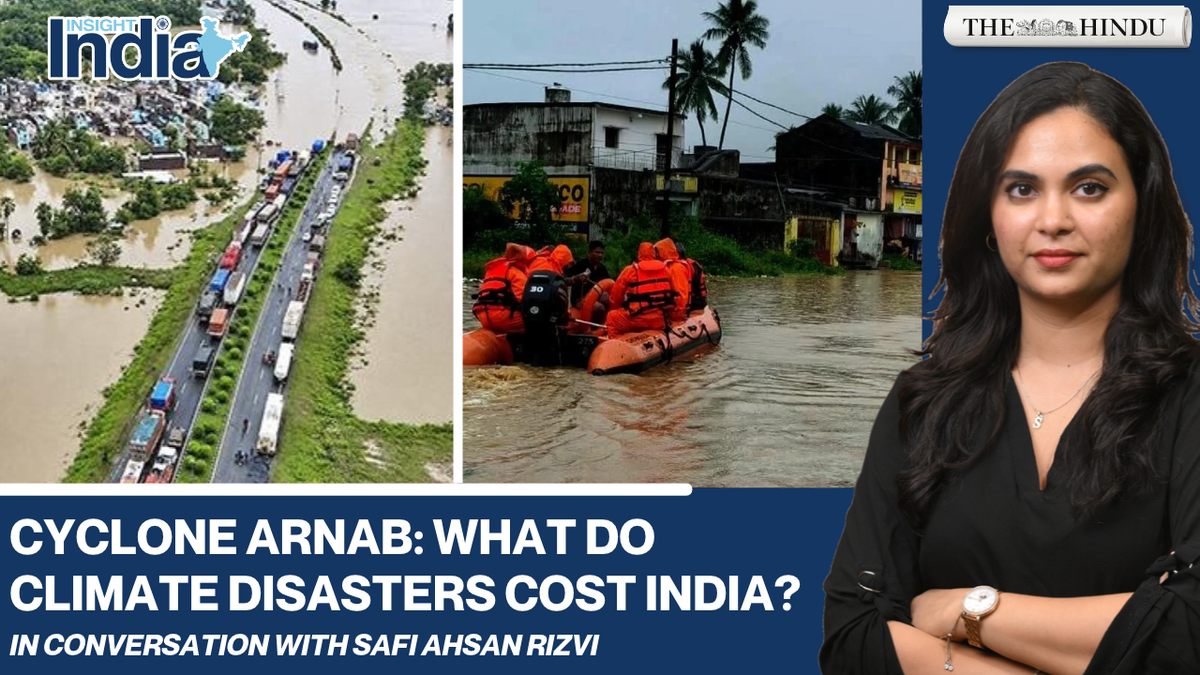
BENGALURU / NEW DELHI — Cyclone Arnab hit the coast of Andhra Pradesh this week. In preparation, authorities evacuated people, halted transportation services and alerted disaster response forces. This is just the first cyclone of the northeast monsoon season. As climate change threatens to bring increasingly intense cyclones and other natural disasters, will India’s current disaster management programme be able to handle the social and economic costs I?n this episode, Sonikka Loganathan speaks to Safi Ahsan Rizvi, former Adviser to the National Disaster Management Authority, about what goes into disaster management, the costs to the economy and vulnerable populations, and how India has improved its strategy since 1999. The development, reported on October 31, 2026, has drawn close scrutiny from domain specialists and policy observers examining its wider operational and institutional impact.
Industry executives and digital policy researchers noted that the rapid evolution of enterprise compute infrastructure, artificial intelligence deployment, and cybersecurity compliance standards is reshaping operational priorities across India’s technology corridor.
Regulatory frameworks governing data protection, platform accountability, and sovereign cloud capacity continue to draw sustained engagement from both global technology firms and domestic startups.