NEW DELHI — The Commission for Air Quality Management (CAQM) on Saturday convened an emergency review meeting and issued statutory directions invoking Stage-IV (‘Severe+’) of the Graded Response Action Plan (GRAP) across the entire National Capital Region (NCR), after central monitoring stations recorded 24-hour average Air Quality Index (AQI) readings crossing 430 in key industrial and arterial clusters.
A meteorological confluence of plunging ambient night temperatures, atmospheric inversion, and persistent calm surface winds (under 4 km/h) has trapped airborne pollutants close to the ground. Compounding urban emissions, thermal imaging satellite feeds from the Indian Agricultural Research Institute (IARI) recorded a seasonal peak in post-harvest farm residue fires across central Punjab and northern Haryana, with transboundary north-westerly plumes pushing hazardous PM2.5 and PM10 concentrations to nearly ten times the safe limits prescribed by the World Health Organization (WHO).
Under the mandatory Stage-IV enforcement mandate, non-essential medium and heavy commercial diesel trucks (excluding those carrying vital medical supplies, food grains, and petroleum) are barred from entering the capital territory. Furthermore, all physical construction and demolition activities across linear public projects—including highways, flyovers, and power transmission lines—have been ordered to cease immediately. State education departments across Delhi, Noida, Gurugram, and Ghaziabad have been instructed to shift primary and middle school cohorts to online classes until atmospheric dispersion improves.
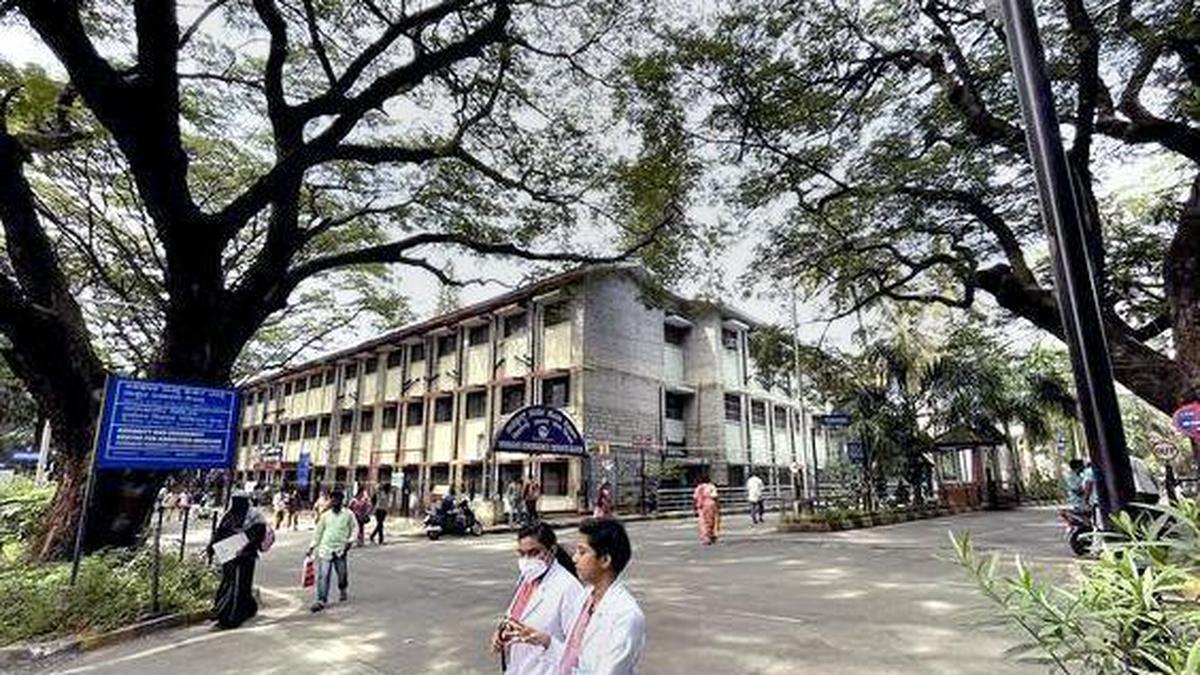
Public health clinicians and pulmonologists at AIIMS New Delhi and Safdarjung Hospital reported a sharp 35% surge in outpatient emergency admissions presenting with acute respiratory distress, severe bronchial spasms, and cardiac exacerbations. Healthcare advisories urged senior citizens, children, and vulnerable patients to avoid early-morning outdoor exertion and ensure the usage of certified N95 particulate filtration respirators in ambient outdoor environments.