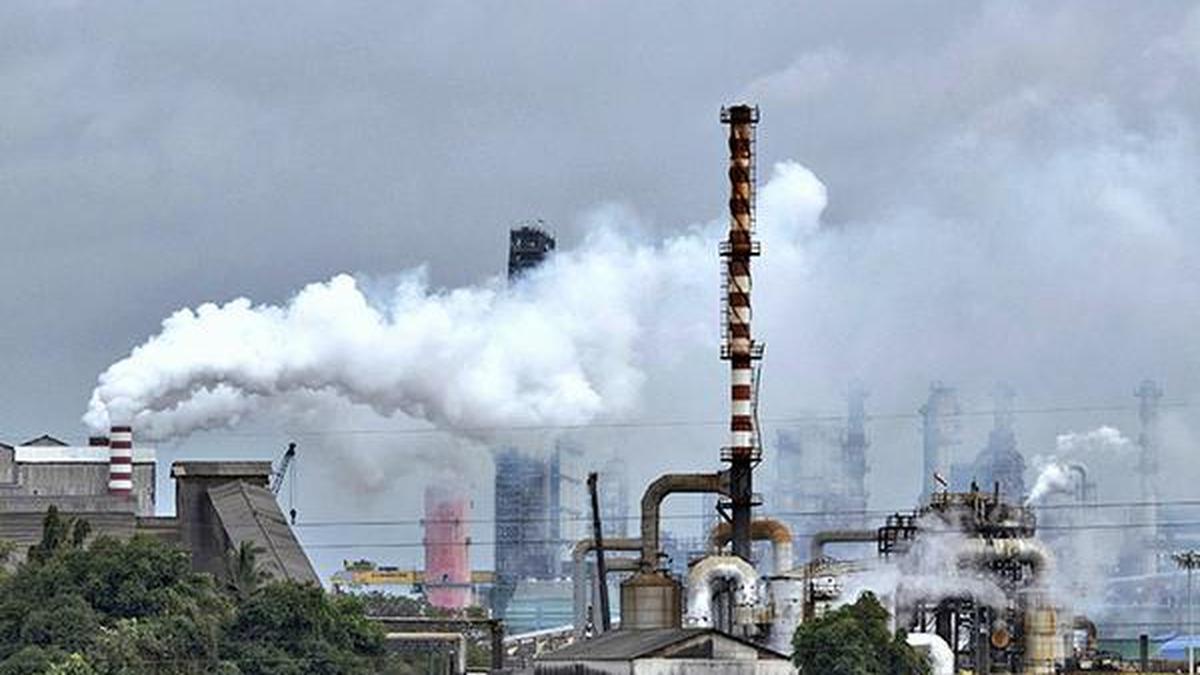
INTERNATIONAL DESK — In 2026, the world emitted 42.2 billion tonne of heat-trapping carbon dioxide from the burning of fossil fuels such as coal, oil and gas. It's a 0.4% decrease from last year, according to the scientists of the Global Carbon Project. The development, reported on November 10, 2026, has drawn close scrutiny from domain specialists and policy observers examining its wider operational and institutional impact.
Parallel dispatches and related briefings have highlighted connected facets of the unfolding story, including updates on Heat-trapping carbon pollution drops, but scientists cite Iran war rather than energy progress.
Diplomatic observers in New Delhi and international capitals are monitoring the situation closely, noting its ramifications for regional security architecture, bilateral trade corridors, and multilateral crisis management.
Foreign policy analysts point out that sustained diplomatic engagement and de-escalation mechanisms remain critical as governments navigate complex geopolitical pressures and shifting alliance commitments.