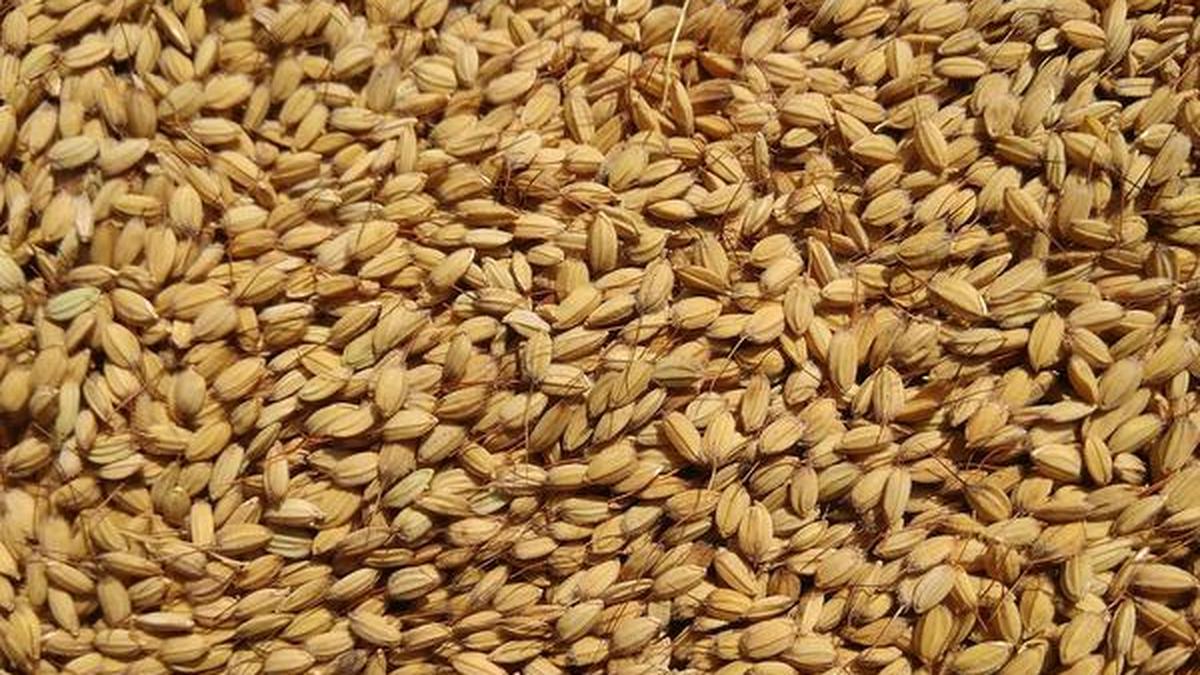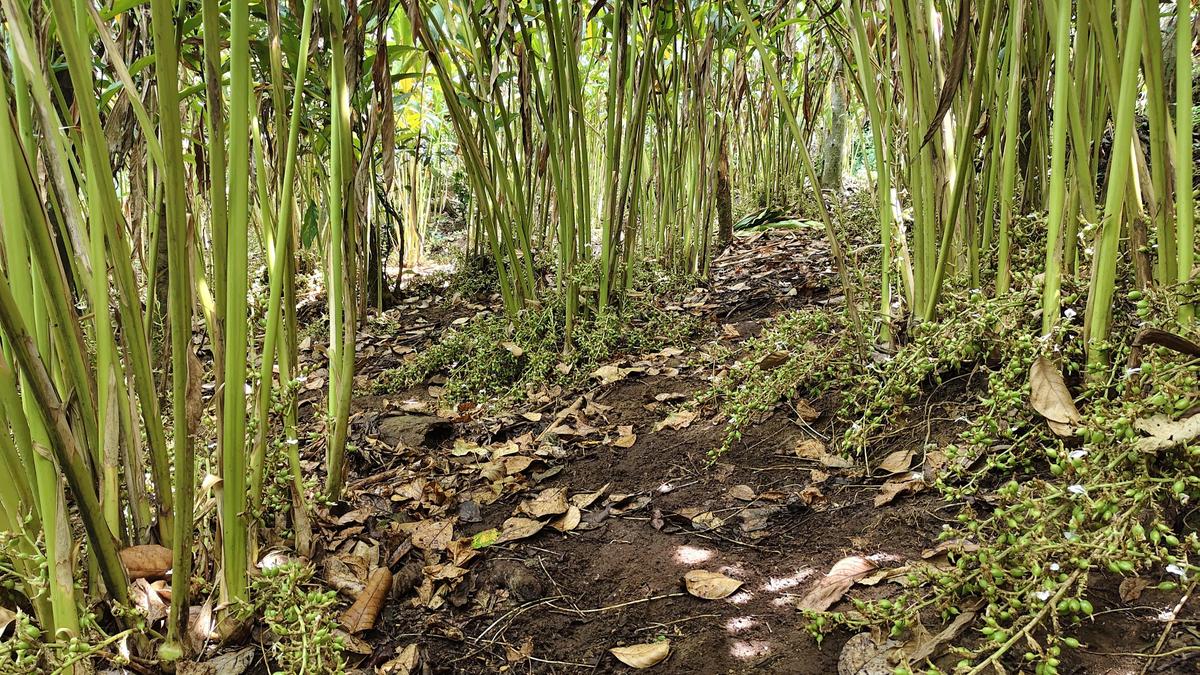
NEW DELHI — Kashmir’s traditional varieties carry cold-tolerance and other locally adapted genes that modern varieties have partly lost, making them potentially valuable as climate change increases stress on crops, new research has found. The analysis also indicated the varieties are more closely related to those from the Korean Peninsula and Northeast China. The development, reported on October 31, 2026, has drawn close scrutiny from domain specialists and policy observers examining its wider operational and institutional impact.
Parallel dispatches and related briefings have highlighted connected facets of the unfolding story, including updates on In Kashmir’s traditional rice, clues to a journey from East Asia.
Senior officials familiar with the matter noted that coordination between central ministries and state administrations remains a priority as implementation timelines move forward. Administrative directives issued in recent weeks have emphasized procedural transparency, statutory compliance, and measurable service delivery benchmarks across districts.
Policy analysts tracking federal governance point out that institutional follow-through and budgetary allocation will determine the pace of execution on the ground. Further departmental notifications and stakeholder consultations are expected over the coming weeks as state nodal agencies review operational requirements.